Groundbreaking presentations and pioneering research insights that define the future of technology
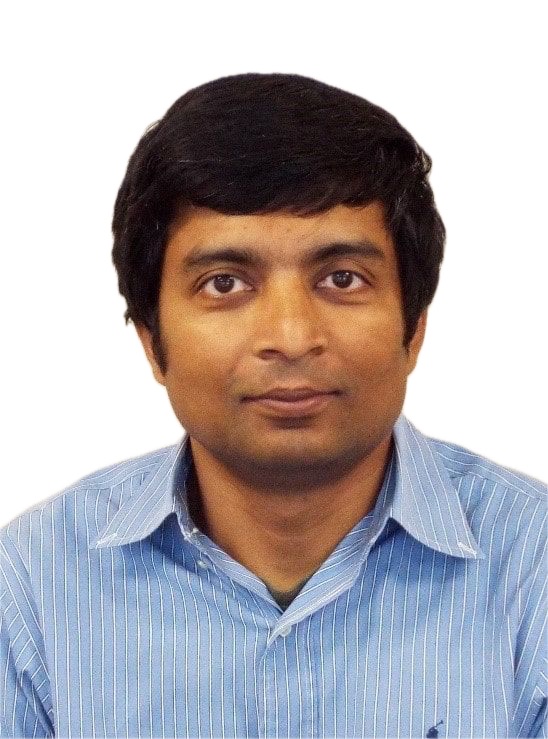
Professor Dr. Latifur Khan
Professor & Director of Artificial Intelligence and Cyber Security Center
University of Texas at Dallas (UT Dallas), USA • Fellow of IEEE, AAAS, IET, and BCS
This presentation explores the transformative potential of generative artificial intelligence—particularly large language models (LLMs)—in addressing critical challenges in domains such as cybersecurity, intelligent transportation systems (ITS), and political sciences. Generative AI–Enhanced Threat Modeling in ITS: We develop an LLM-based framework to automate threat modeling for complex intelligent transportation systems by mapping information flows to MITRE ATT&CK techniques and NIST Cybersecurity Framework controls. The approach evaluates multiple AI methods, including zero-shot learning, RAG, multimodal reasoning, in-context learning, and fine-tuning. Policy Analysis for Secure Transportation Systems: This project enhances transportation cybersecurity policy using AI-driven legal analysis and stakeholder engagement. Building on the TraCR AI system, it integrates U.S. and international regulations and uses agentic AI and graph-based retrieval to identify policy gaps and propose improvements for data security and privacy in autonomous transportation. Conflict and Political Violence Monitoring: We developed ConfliBERT, a domain-specific pretrained language model for analyzing conflict and political violence data, which outperforms general-purpose LLMs in classification and question-answering tasks and has over 14,000 downloads on GitHub and Hugging Face. We also proposed ensemble-based active learning methods—Ensemble Union and Ensemble Intersection—that combine multiple heuristics to improve sample selection. Experiments on the United Nations Parallel Corpus show these approaches achieve performance comparable to full-dataset training while requiring far fewer labeled examples. Cybersecurity Intelligence Extraction: In partnership with researchers at NIST, we automated the extraction of cyber attack techniques from Common Vulnerabilities and Exposures (CVE) and Cyber Threat Intelligence (CTI) reports. These extracted techniques are mapped to the MITRE ATT&CK framework using a combination of LLMs and active learning strategies. We have shown how this structured, machine-assisted analysis enhances the ability of security analysts to respond to emerging threats more effectively.
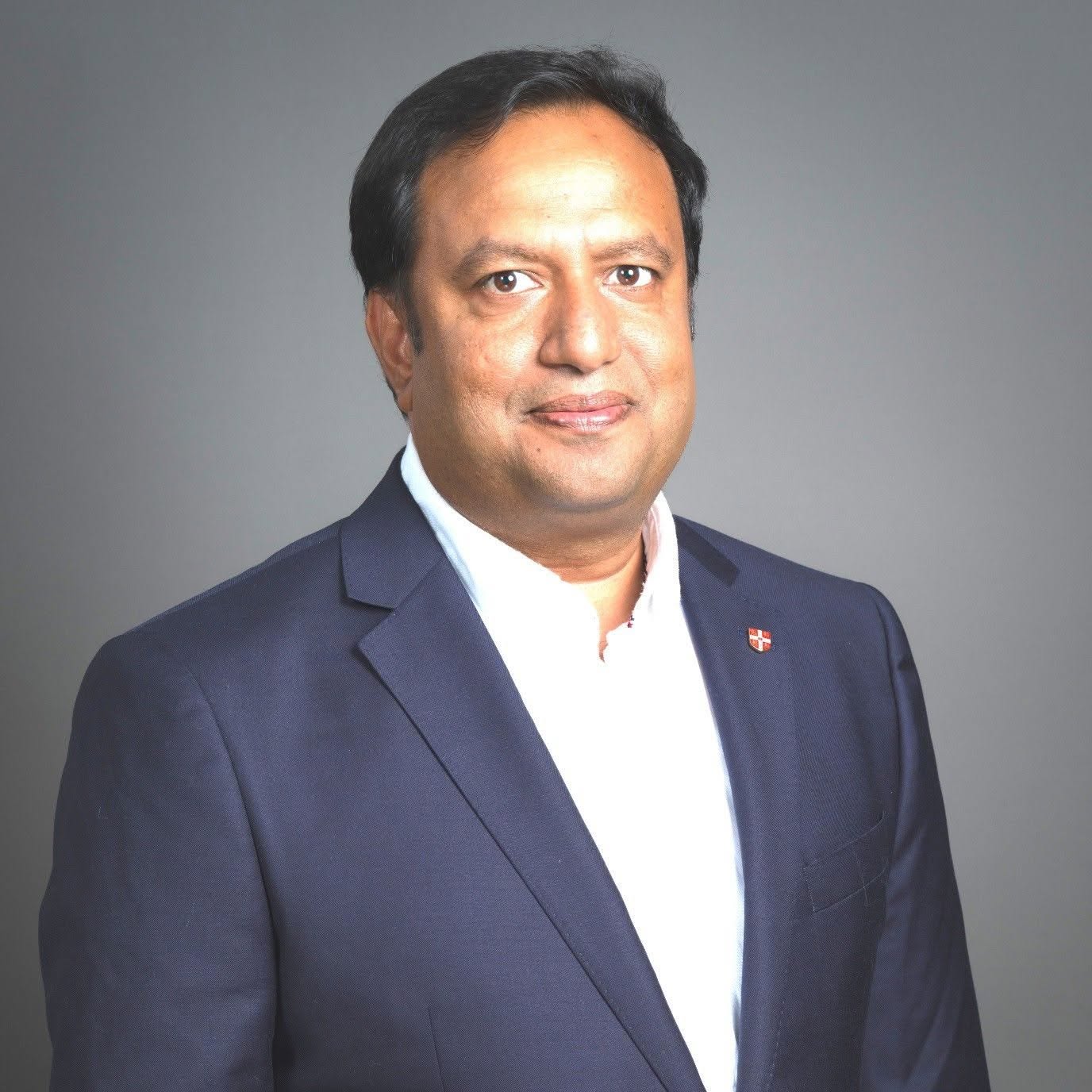
Professor Dr. Mohammad Ali Moni
Program Lead, Centre for AI and Digital Health Technology
Artificial Intelligence and Cyber Futures Institute, Charles Sturt University, Australia • Professor (Research), Washington University of Science & Technology, USA • Senior Fellow (Hon), The University of Queensland, Australia
Artificial intelligence is moving rapidly beyond traditional machine learning and standalone large language models (LLMs). We are entering a new era of foundation models, multimodal AI, digital twins, and agentic AI. The real value of these technologies will come not simply from building larger AI models but from applying them to solve our everyday problems, including human and animal health and agriculture. This keynote will explore these technologies through real-world applications. Multimodal foundation models can integrate diverse data types, including medical images, health records, wearable and physiological signals, livestock images and sensors, satellite and drone imagery, and weather, soil, and crop data. By connecting these different sources, Foundation AI can provide a more complete understanding of a patient, an animal, a crop, or a farm. In human health, these technologies can support earlier disease detection, medical image analysis, personalised risk prediction, remote monitoring, and clinical decision-making. In cattle and livestock farming, AI can monitor animal health, behaviour, growth, welfare, reproduction, and nutrition. In agriculture, AI can support crop monitoring, disease detection, yield prediction, precision irrigation and fertilisation, and sustainable farm management. A key focus will be AI-enabled Digital Twins for the dynamic digital representations of patients, animals, crops, or farms that are continuously updated with real-world data. Digital twins can help understand current conditions, predict future outcomes, and test possible interventions before they are applied in the real world. The keynote will also discuss agentic AI, where intelligent AI agents can analyse information, use specialised tools, recommend actions, and adapt as conditions change. Together, foundation models, digital twins, and agentic AI can create practical intelligent systems that improve human health, animal welfare, agricultural productivity, sustainability, and the resilience of the planet.
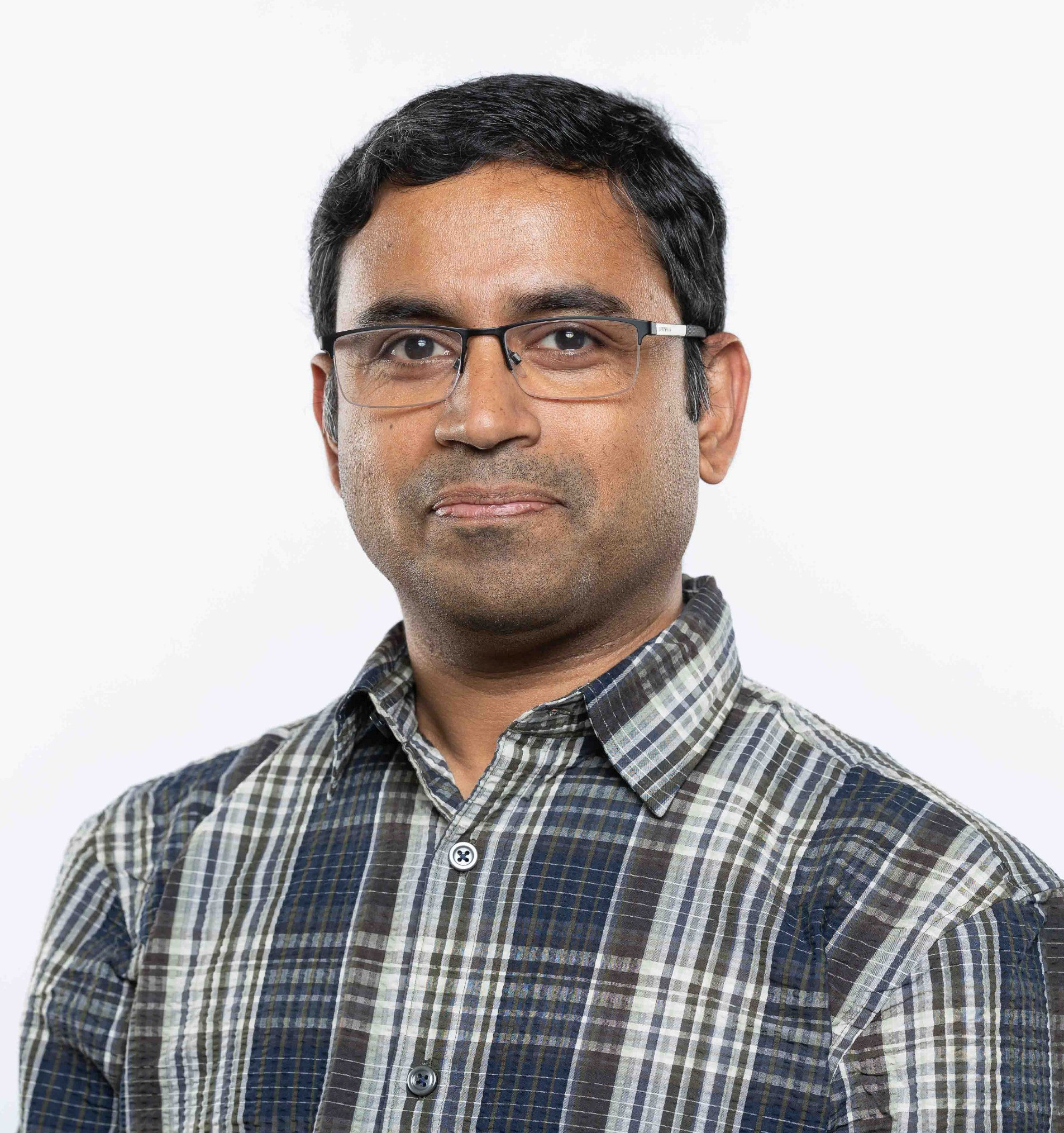
Dr. M. Julius Hossain
Head of the Image and Data Analysis Group
Centre for Cancer Immunology, University of Southampton, UK
Modern research increasingly relies on the integration of diverse sources of data, ranging from biomedical imaging and experimental measurements to clinical and population-level information. Transforming these data into meaningful knowledge requires advances in computational methods, artificial intelligence, and interdisciplinary collaboration. In this keynote, I will discuss how computational approaches can help address fundamental questions across biology, medicine, and healthcare. Drawing on examples from both fundamental and translational research, I will illustrate how quantitative analysis and integration of multimodal data can reveal new insights into complex biological systems and contribute to innovative solutions for real-world healthcare challenges. I will also explore how artificial intelligence and data-driven methods are enabling new opportunities in disease prediction, personalised healthcare, digital health, and biomedical discovery. Together, these examples will highlight the growing role of computational approaches in bridging disciplines, accelerating scientific discovery, and improving human health.
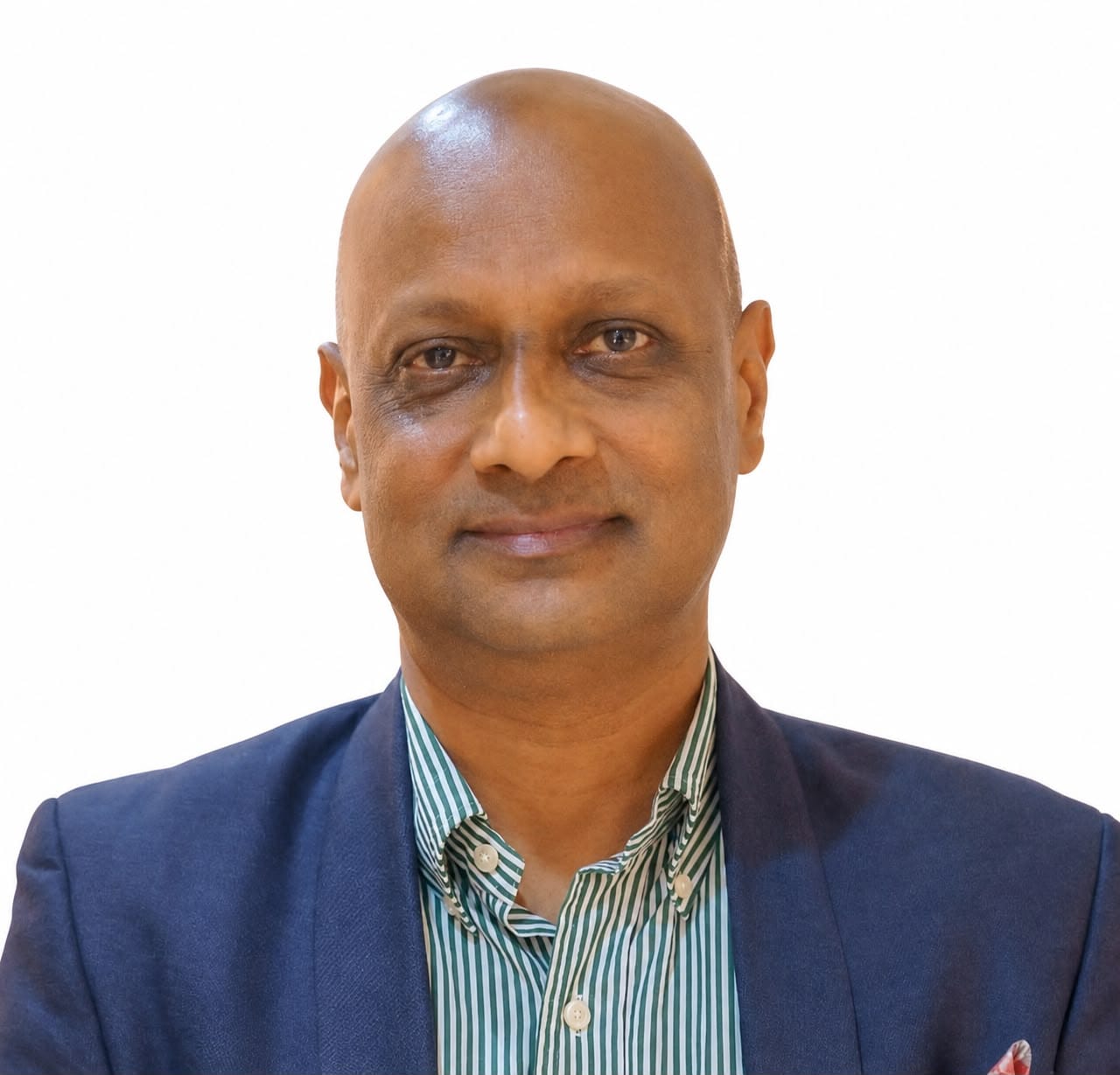
M Manjur Mahmud
President, DataSoft Systems Bangladesh Limited
DataSoft Systems Bangladesh Limited, Bangladesh
As industries globally undergo rapid digital transformation, emerging economies present both unique challenges and transformative opportunities for technology deployment. This talk explores the convergence of cutting-edge software engineering, distributed technologies, AI-driven digital ecosystems, and modern FinTech architectures in scaling high-impact enterprise solutions. Drawing from real-world implementations—from CMMI Level 5 software processes and port/logistics automation to alternative credit scoring and cross-border digital platforms—this presentation highlights actionable strategies for industry professionals and researchers to build resilient, scalable, and impactful technology infrastructure for the digital age.